


There’s something instantly captivating about an aesthetic drawing. It’s not just about making something visually pleasing—it’s about creating a mood, capturing a feeling, or telling a quiet story without saying a word.
Whether you’re a beginner sketching in your notebook or a photographer exploring illustration, aesthetic drawing offers a flexible, expressive way to create art that feels personal and meaningful.
In this guide, we’ll explore aesthetic drawing ideas, techniques to elevate your work, and practical ways to develop your own style.
What Is an Aesthetic Drawing?
An aesthetic drawing focuses on visual harmony, mood, and emotional impact rather than strict realism or technical perfection.
Instead of asking, “Is this accurate?”, aesthetic artists often ask:
-
Does this feel calming or nostalgic?
-
Does it communicate a mood?
-
Is it visually balanced and pleasing?
This approach is why many aesthetic sketches feel soft, minimal, and effortlessly beautiful.
You’ll often notice:
-
Clean or intentionally messy lines
-
Soft shading or muted tones
-
Simple compositions with strong emotional undertones
It’s less about rules—and more about intention.
Why Aesthetic Drawing Continues to Trend
Aesthetic art has grown massively in popularity, especially across platforms like Pinterest and Instagram. But it’s not just a trend—it reflects how people want to experience art today.
We’re seeing a shift toward:
-
Slower, mindful creativity
-
Imperfect, human-made visuals
-
Emotion-driven design
In a world filled with hyper-polished digital content, aesthetic drawings feel grounding. They remind people of sketchbooks, quiet afternoons, and personal expression.
For creators, this also means aesthetic drawing is incredibly versatile—it works for:
-
Content creation
-
Branding visuals
-
Journaling
-
Art prints and digital products
20 Aesthetic Drawing Ideas to Spark Your Creativity
If you’re looking for fresh inspiration, these ideas go beyond the usual and give you room to experiment.
1. Continuous Line Portraits
Draw a face without lifting your pen—simple but expressive.

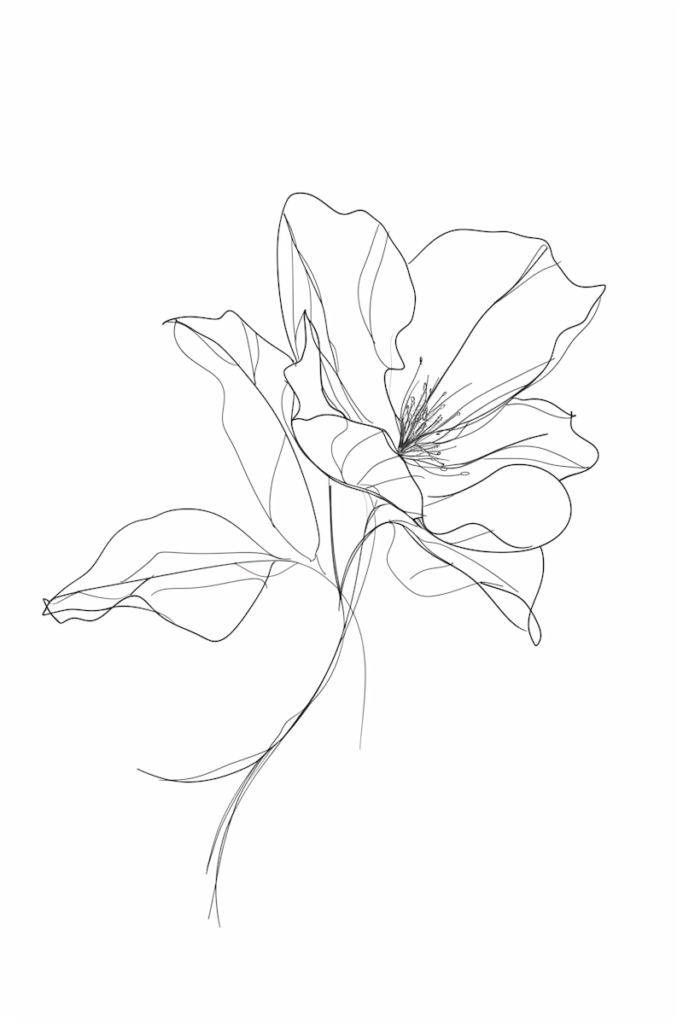
2. Soft Botanical Sketches
Leaves, vines, and flowers with light shading for a calming effect.
3. Dreamcore Scenes
Empty spaces, surreal skies, or nostalgic environments that feel slightly unreal.
4. Aesthetic Study Corners
Desks, books, coffee cups—perfect for cozy, relatable art.
5. Abstract Emotion Drawings
Use shapes and lines to represent feelings instead of objects.
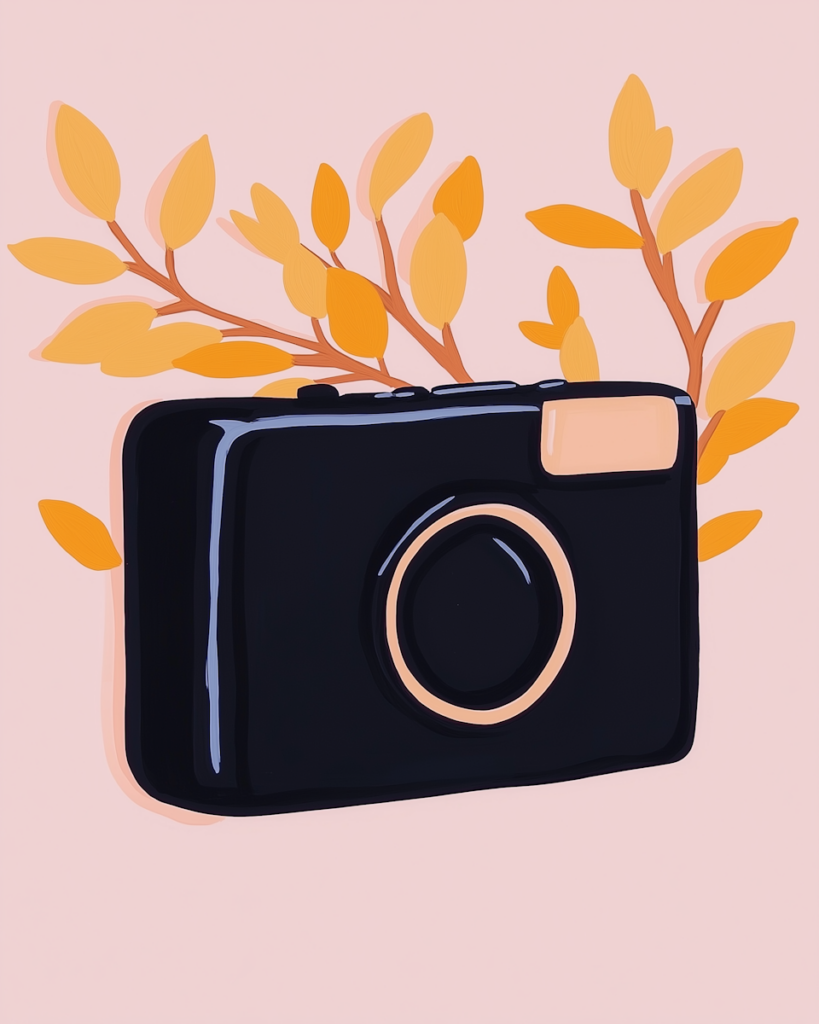
6. Vintage Film Cameras
Great for photographers wanting to merge art and passion.
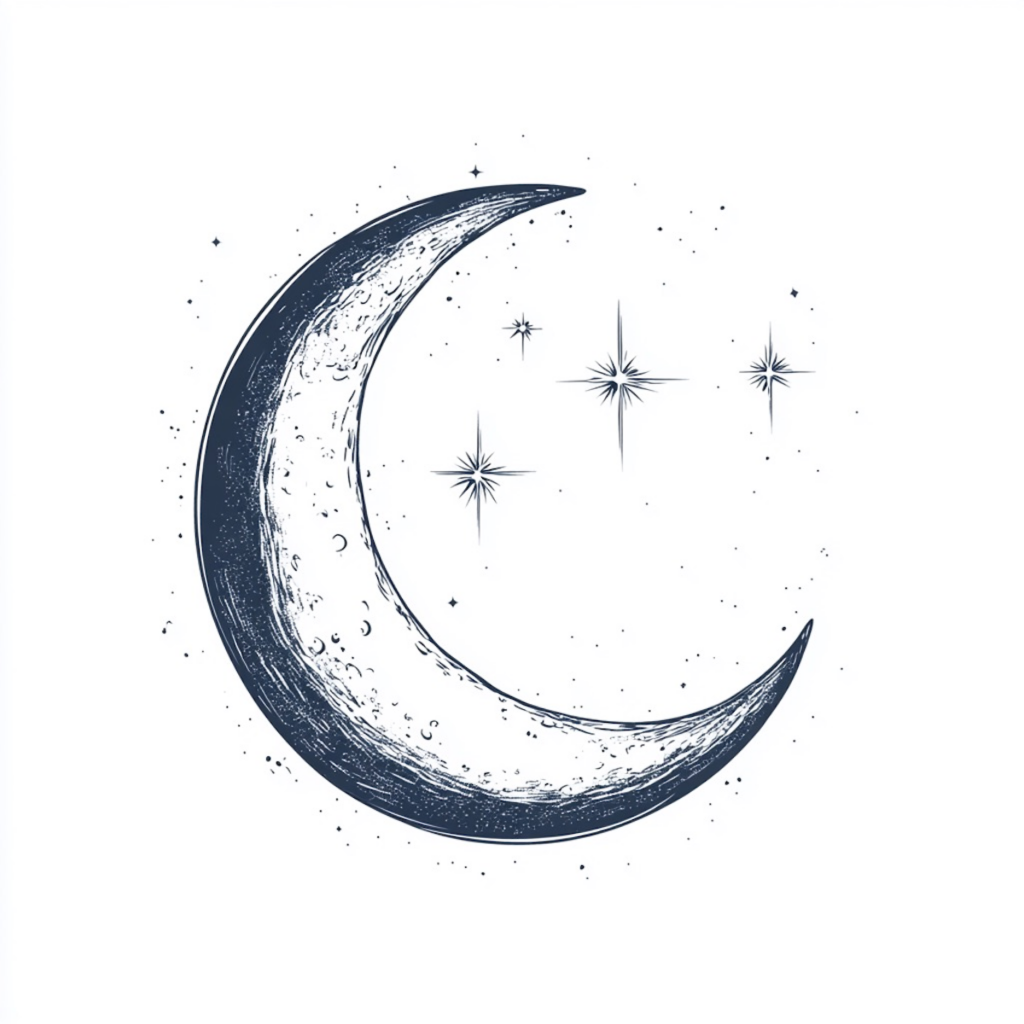
7. Celestial-Themed Art
Moons, constellations, and stars with soft gradients.
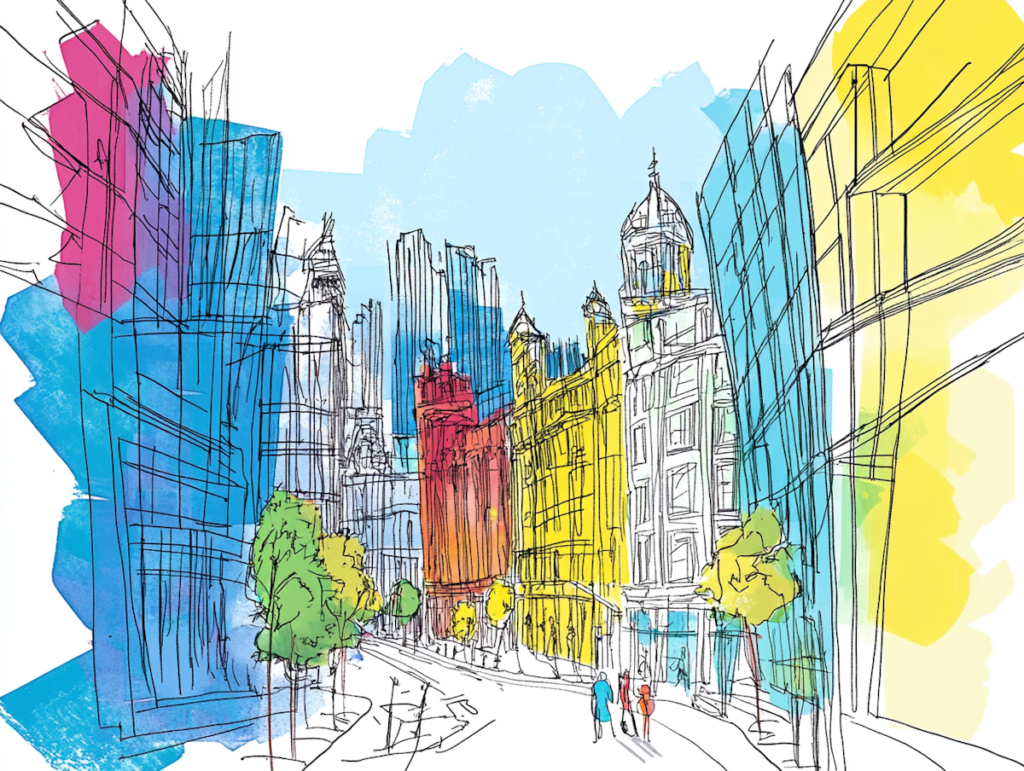
8. Minimalist Architecture
Windows, staircases, and buildings with clean lines.
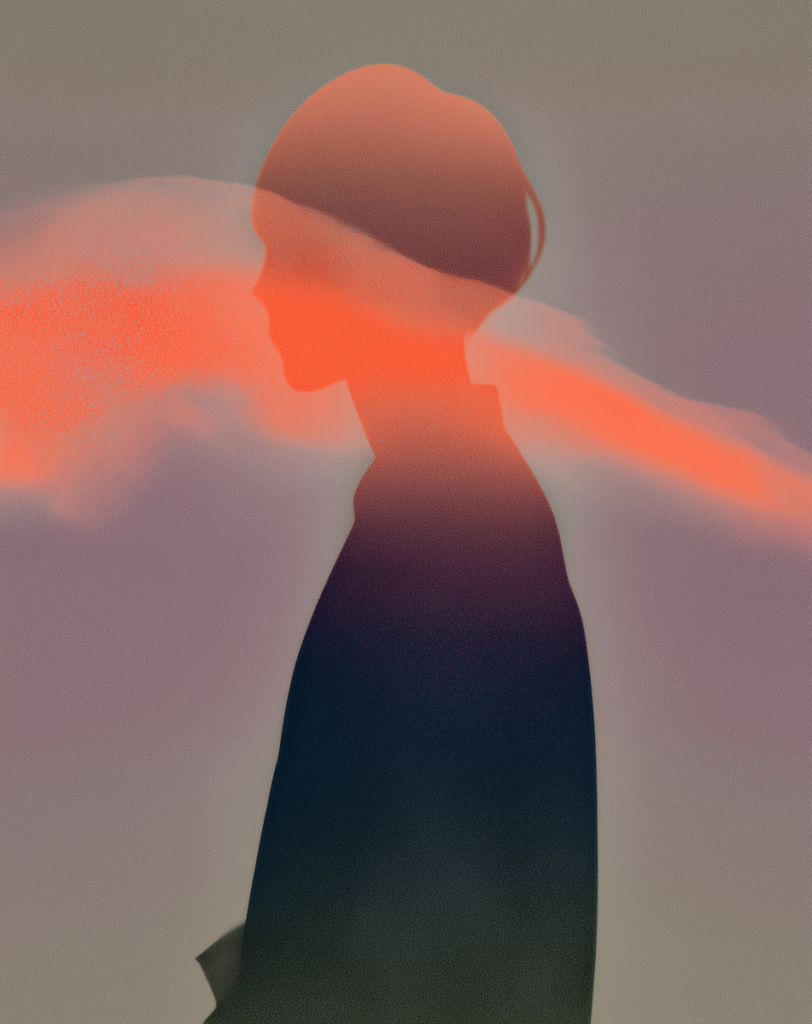
9. Silhouette Figures
Dark figures against soft, glowing backgrounds.
10. Floating Objects
Books, lanterns, or clouds suspended mid-air.
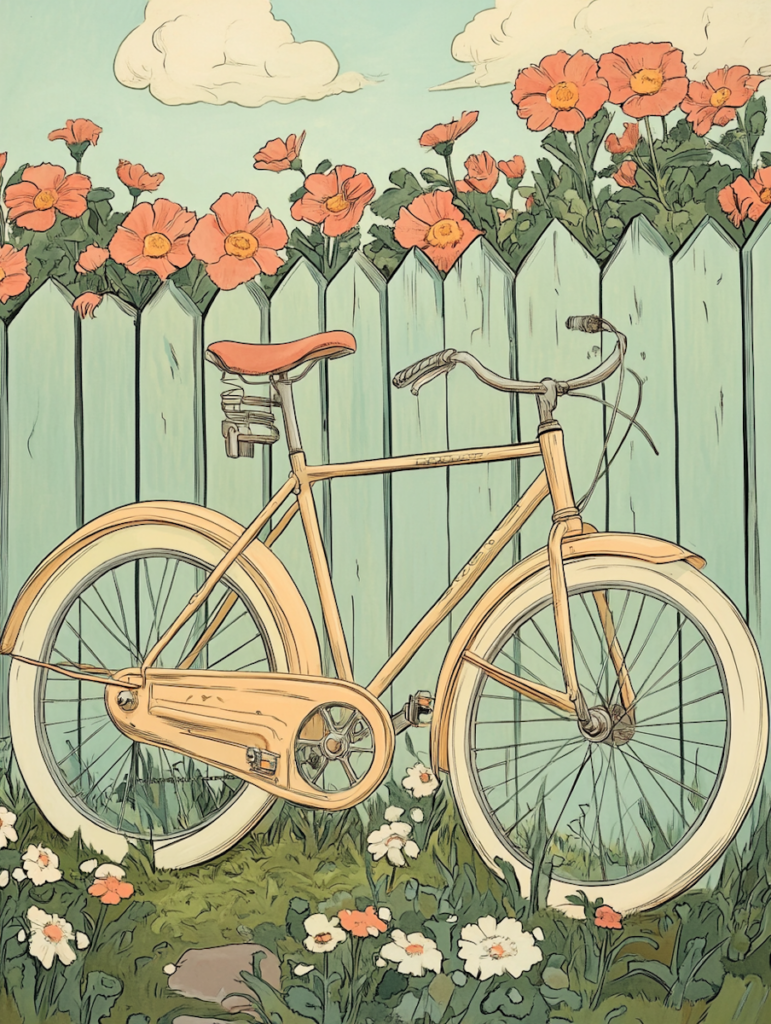
11. Polaroid-Style Sketches
Frame your drawings like instant photos.
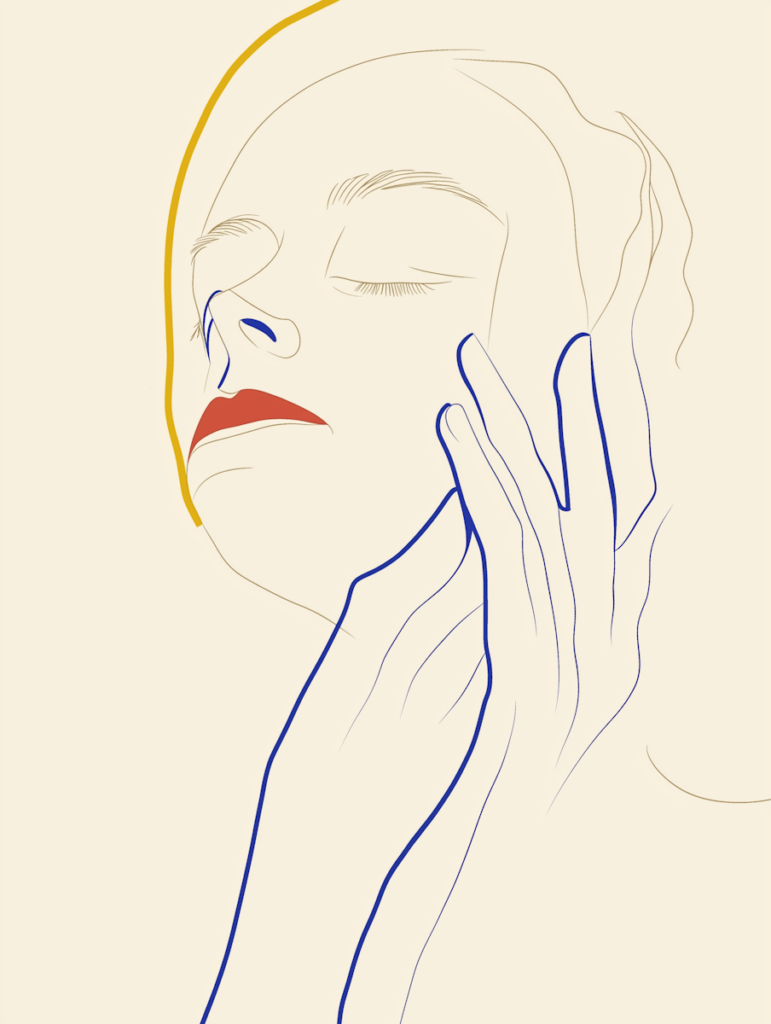
12. Hands and Gestures
Simple hand poses can feel emotional and symbolic.
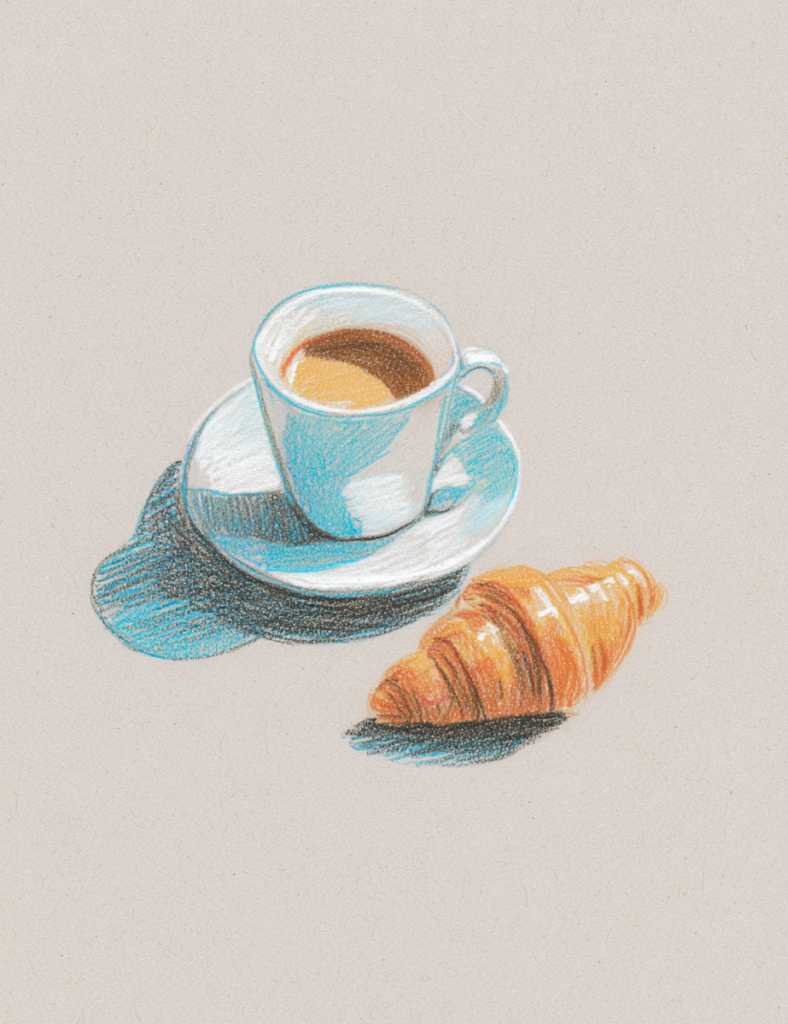
13. Aesthetic Food Illustrations
Coffee, pastries, or fruit drawn in a soft, stylized way.

14. Dark Academia Themes
Candles, old books, and moody interiors.
15. Surreal Nature Concepts
Trees growing out of objects or skies melting into oceans.
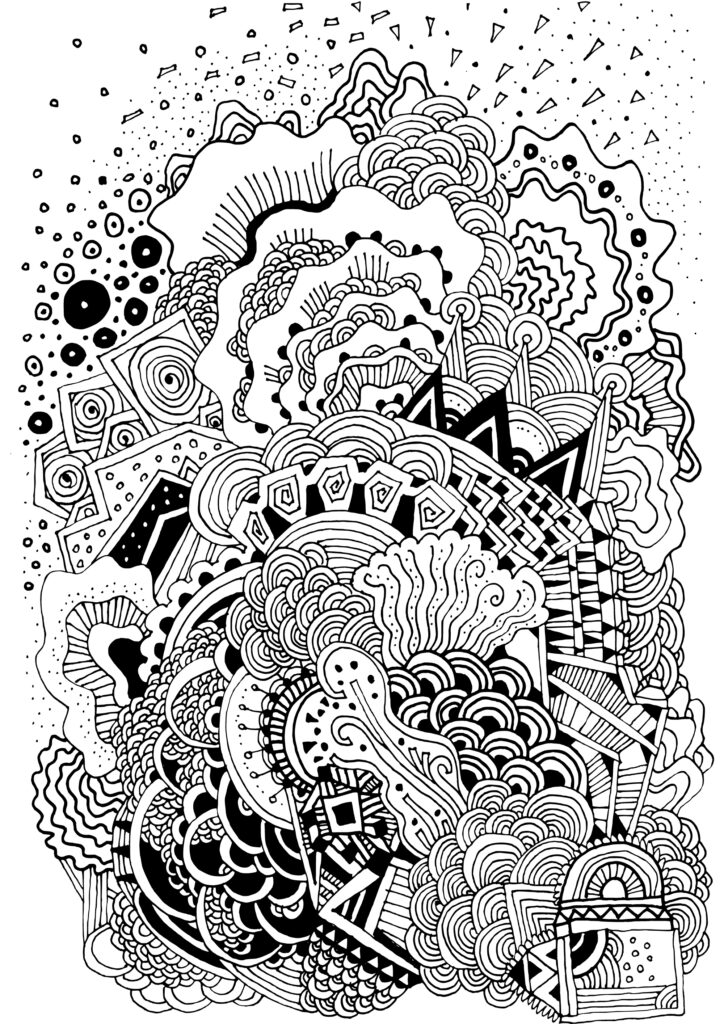
16. Doodle-Filled Pages
Organized chaos—tiny sketches filling an entire page.
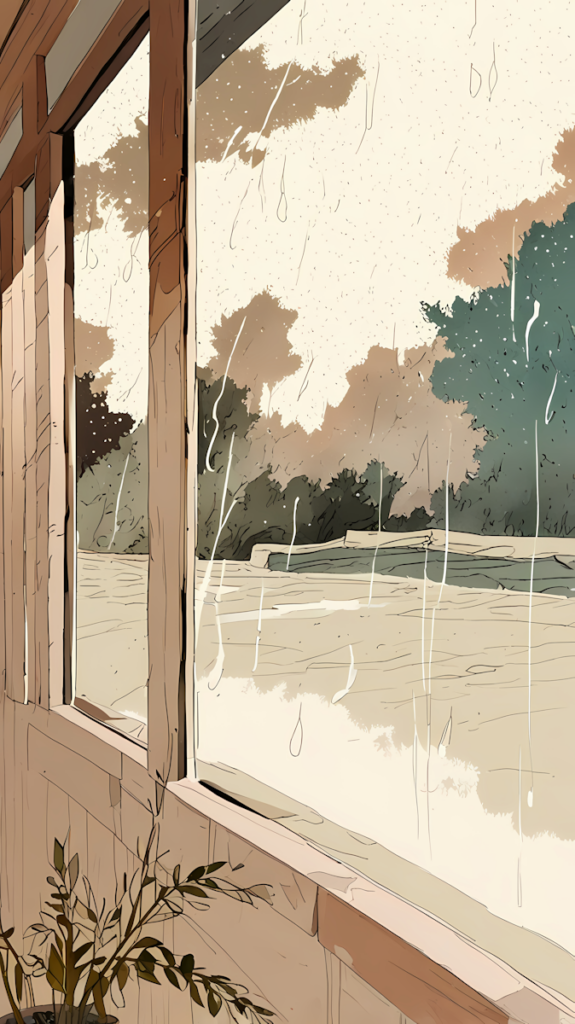
17. Window Views
Scenes framed through a window for a storytelling effect.
18. Typography + Illustration
Combine quotes with simple drawings.
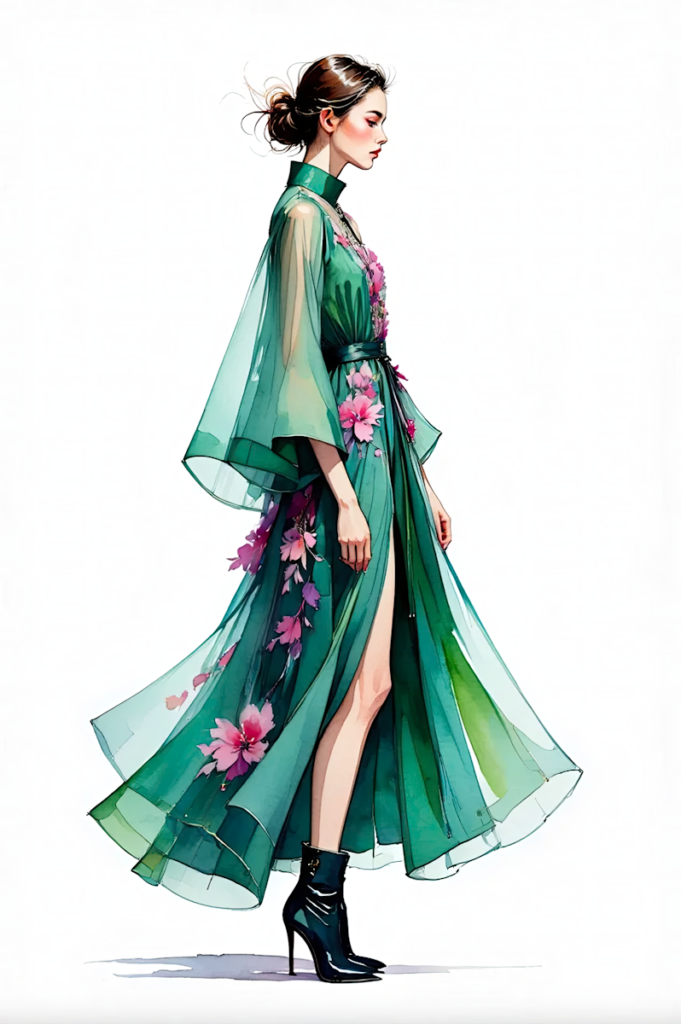
19. Fashion Sketches
Flowy outfits, soft lines, and muted palettes.
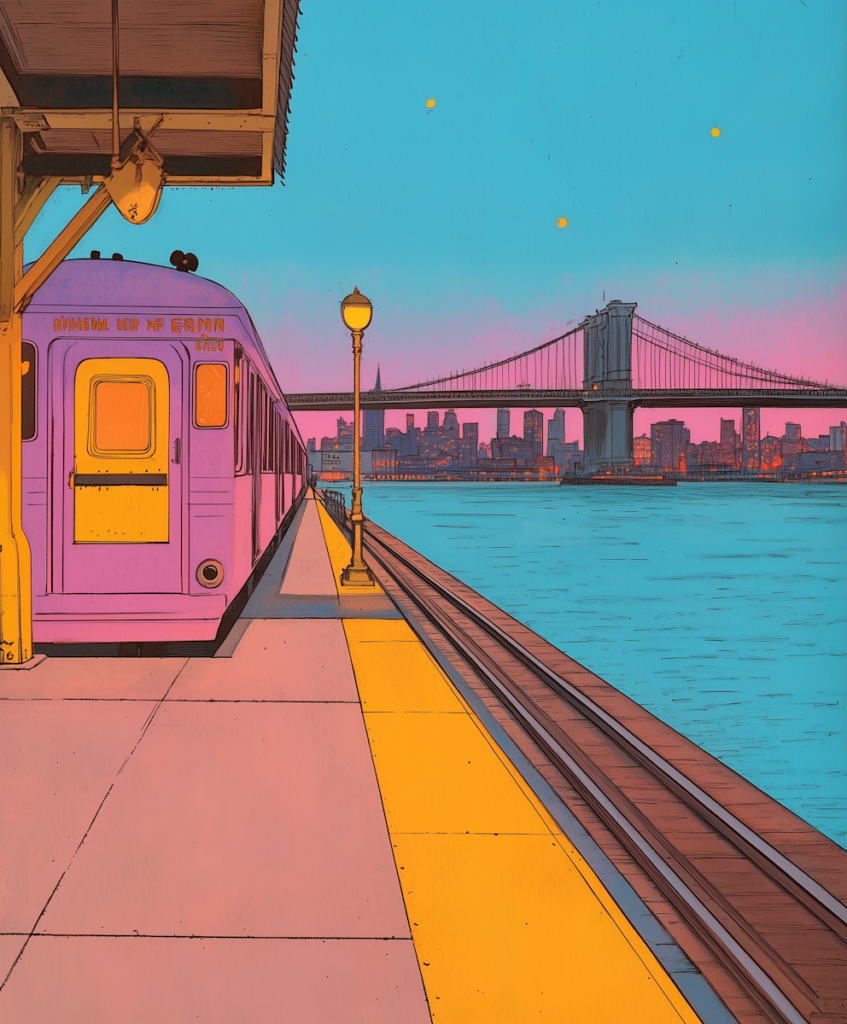
20. Memory-Based Drawings
Sketch a place or moment from memory instead of reference.
Step-by-Step: How to Create an Aesthetic Drawing
If you’re not sure where to start, here’s a simple process you can follow.
Step 1: Choose a Mood First
Before drawing anything, decide how you want your artwork to feel:
-
Calm
-
Nostalgic
-
Dreamy
-
Melancholic
This guides your entire composition.
Step 2: Start with Simple Shapes
Break your idea into basic forms. Keep it loose—don’t overthink proportions.
Step 3: Refine the Lines
Decide whether you want:
-
Clean, minimal lines
-
Sketchy, textured strokes
Both can work beautifully—it depends on your style.
Step 4: Add Depth with Shading
Use soft shading instead of harsh contrasts to keep the aesthetic feel.
Step 5: Simplify
Remove unnecessary details. Aesthetic drawings often look better when they’re not overworked.
Techniques That Instantly Elevate Your Work
If your drawings feel “flat” or unfinished, these techniques can make a big difference.
1. Use a Limited Color Palette
Stick to a few colors (or even just one). This creates visual harmony and prevents your drawing from looking chaotic.
2. Play with Lighting
Soft highlights and gentle shadows can transform a simple sketch into something atmospheric.
3. Embrace Imperfection
Slightly uneven lines or visible strokes add character. Don’t erase everything.
4. Focus on Composition
Even simple drawings look professional when elements are well-placed.
5. Add Texture
Grain, pencil strokes, or watercolor effects can give your art more depth and personality.
Turning Photos into Aesthetic Drawings (A Practical Shortcut)
If you’re a photographer or content creator, you already have a huge advantage—you’re surrounded by visual inspiration.
Instead of starting from scratch, you can turn your photos into artistic references or even finished sketches.
With tools like Colorcinch, you can transform images into:
-
Pencil drawings for clean, classic sketches
-
Charcoal drawings for dramatic, textured effects
-
Watercolor drawings for soft, dreamy visuals
This workflow is especially helpful when you:
-
Want to practice drawing from real-life compositions
-
Need quick content for social media or blogs
-
Are experimenting with new styles without spending hours sketching
It’s not about replacing drawing—it’s about enhancing your creative process.
How to Develop Your Own Aesthetic Style
This is where many artists get stuck.
You might feel like you need to “choose” a style—but in reality, your style develops naturally over time.
Here’s what actually helps:
1. Create Consistently
Even quick sketches build your visual instincts.
2. Notice What You Gravitate Toward
Do you prefer soft shading? Minimal lines? Dark themes? That’s your style forming.
3. Combine Influences
Instead of copying one artist, blend inspiration from multiple sources.
4. Keep a Visual Journal
Save references, sketches, and ideas in one place.
5. Allow Your Style to Change
Your aesthetic will evolve—and that’s a good thing.
Common Mistakes to Avoid
Even talented artists can unintentionally hold themselves back.
Overworking the Drawing
Adding too much detail can remove the softness that makes aesthetic art appealing.
Chasing Trends Too Closely
Trends can inspire you—but copying them exactly limits your creativity.
Ignoring Fundamentals
Composition, contrast, and balance still matter—even in simple drawings.
Comparing Your Work to Social Media
Most posts are curated and edited. Focus on your own progress instead.
Aesthetic Drawing for Creators and Bloggers
If you run a photography or design blog, aesthetic drawings can do more than just look good—they can elevate your content.
You can use them for:
-
Blog visuals and featured images
-
Pinterest pins
-
Social media posts
-
Digital products or printables
Combining photography with illustration (especially using tools like Colorcinch) gives your content a unique, recognizable style—something that’s increasingly important for branding.
Final Thoughts: Keep It Simple, Keep It You
Aesthetic drawing isn’t about being the most skilled artist in the room.
It’s about creating something that feels intentional and authentic.
Start with simple ideas. Experiment with different moods. Let your imperfections show.
And most importantly—enjoy the process.
Because the best aesthetic drawings aren’t just beautiful…
they feel like something.
